

Understanding Stress Response
by Dr Robert Sapolsky, Mark Shwartz
All vertebrates respond to stressful situations by releasing hormones, such as adrenalin and glucocorticoids, which instantaneously increase the animal’s heart rate and energy level. “The stress response is incredibly ancient evolutionarily,” Sapolsky said. “Fish, birds and reptiles secrete the same stress hormones we do, yet their metabolism doesn’t get messed up the way it does in people and other primates.”
To understand why, he said, “just look at the dichotomy between what your body does during real stress—for example, something is intent on eating you and you’re running for your life—versus what your body does when you’re turning on the same stress response for months on end for purely psychosocial reasons.”
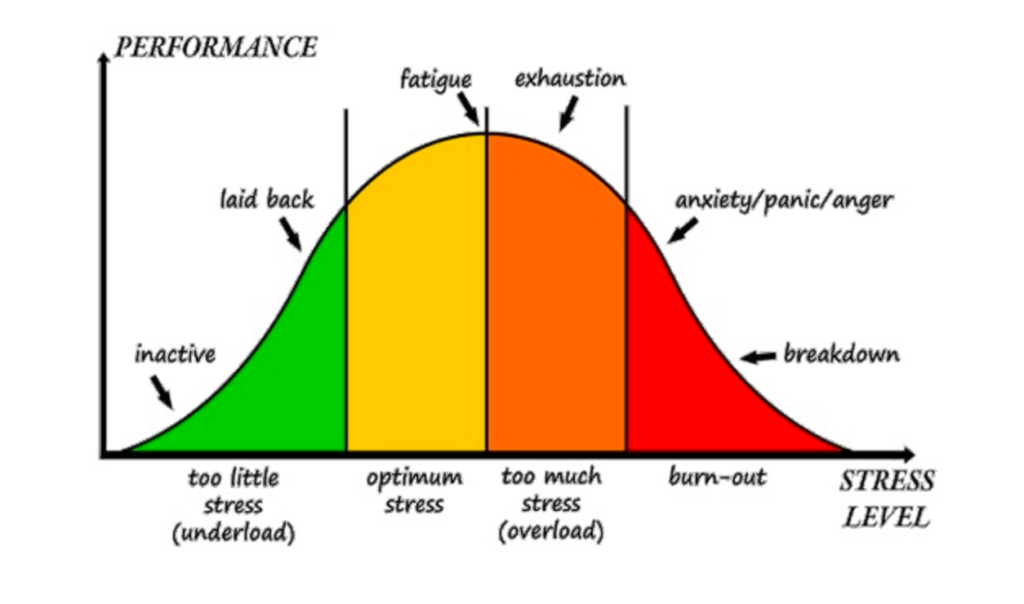
In the short term, he explained, stress hormones are “brilliantly adapted” to help you survive an unexpected threat. “You mobilize energy in your thigh muscles, you increase your blood pressure and you turn off everything that’s not essential to surviving, such as digestion, growth and reproduction,” he said. “You think more clearly, and certain aspects of learning and memory are enhanced. All of that is spectacularly adapted if you’re dealing with an acute physical stressor—a real one.”
But non-life-threatening stressors, such as constantly worrying about money or pleasing your boss, also trigger the release of adrenalin and other stress hormones, which, over time, can have devastating consequences to your health, he said: “If you turn on the stress response chronically for purely psychological reasons, you increase your risk of adult onset diabetes and high blood pressure. If you’re chronically shutting down the digestive system, there’s a bunch of gastrointestinal disorders you’re more at risk for as well.”
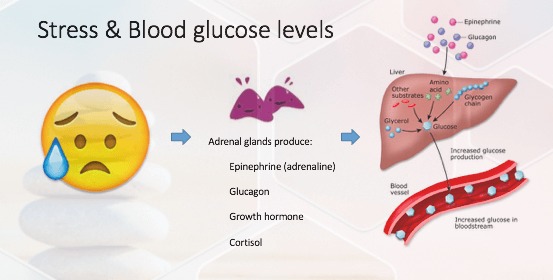
In children, the continual release of glucocorticoids can suppress the secretion of normal growth hormones. “There’s actually a syndrome called stress dwarfism in kids who are so psychologically stressed that growth is markedly impaired,” Sapolsky said.
Studies show that long-term stress also suppresses the immune system, making you more susceptible to infectious diseases, and can even shut down reproduction by causing erectile dysfunction and disrupting menstrual cycles.
“Furthermore, if you’re chronically stressed, all sorts of aspects of brain function are impaired, including, at an extreme, making it harder for some neurons to survive neurological insults,” Sapolsky added. “Also, neurons in the parts of the brain relating to learning, memory and judgment don’t function as well under stress. That particular piece is what my lab has spent the last 20 years on.”
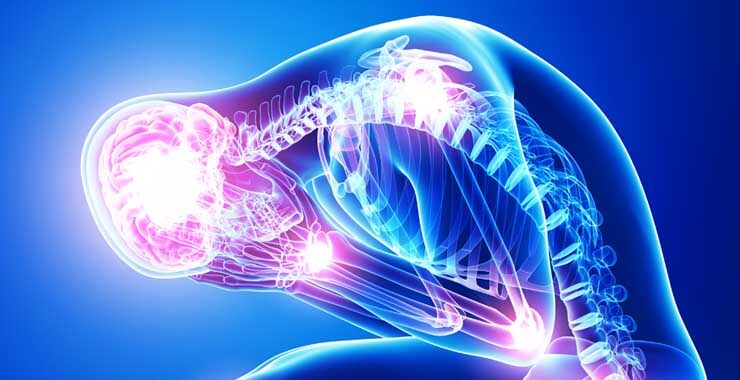
Stress Can Have Many Negative Effects On The Body
The bottom line, according to Sapolsky: “If you plan to get stressed like a normal mammal, you had better turn on the stress response or else you’re dead. But if you get chronically, psychosocially stressed, like a Westernized human, then you are more at risk for heart disease and some of the other leading causes of death in Westernized life.”
